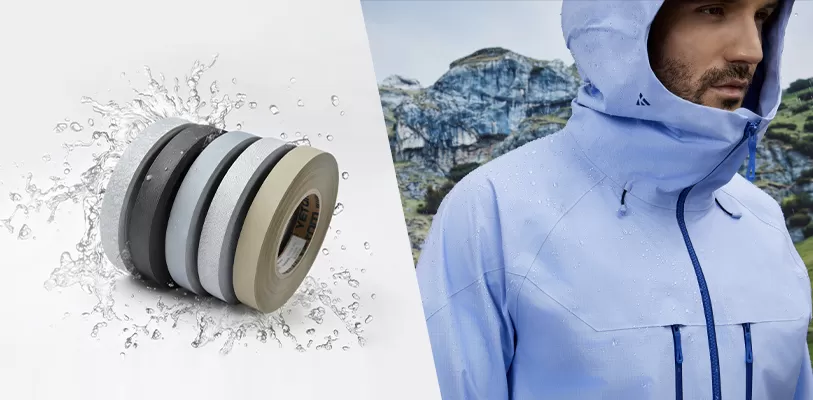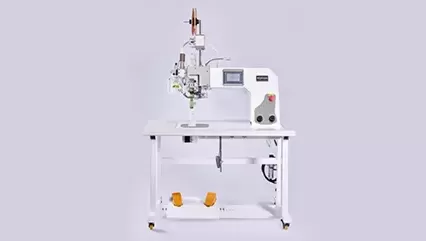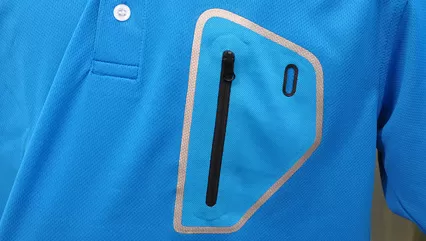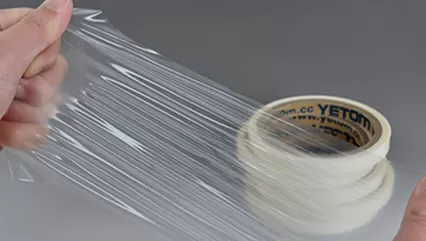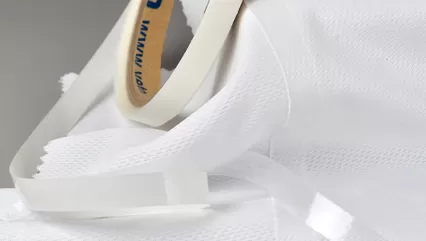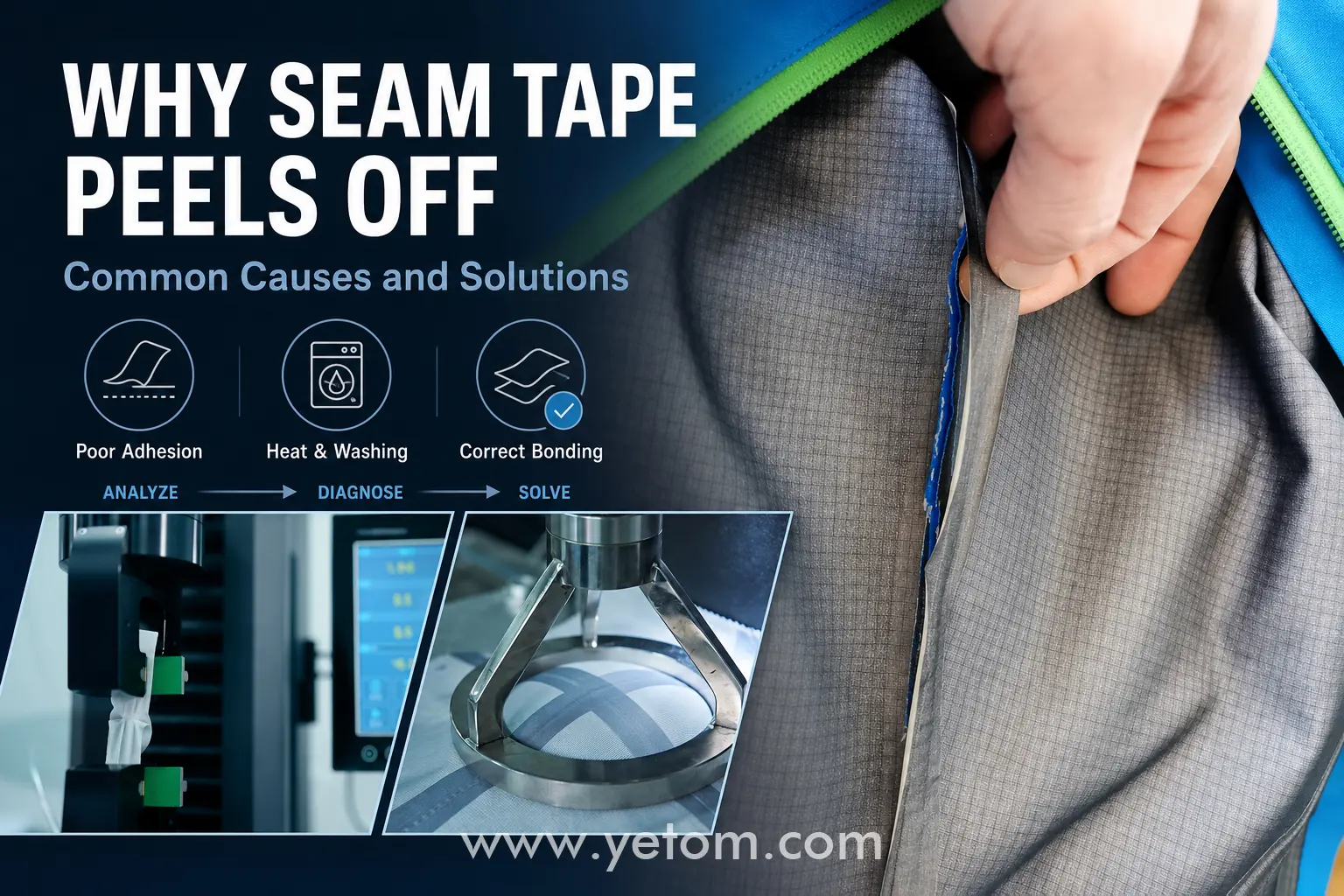
Seam tape usually peels off because the tape is not compatible with the fabric coating, the hot-air taping temperature is too low, the machine speed is too fast, the pressure is insufficient, the fabric surface is contaminated, or the tape has not been tested for washing and long-term use. In many cases, peeling is not caused by one single problem, but by a combination of wrong tape selection and unstable taping parameters.
For waterproof jackets, rainwear, protective clothing, footwear, sportswear, and seamless garments, seam tape peeling is more than an appearance issue. It can lead to water leakage, failed inspection, production rework, customer complaints, and brand damage. The most reliable solution is to diagnose the peeling point carefully: material compatibility, machine settings, seam construction, washing conditions, and storage environment must all be checked together.
Common Reasons Why Seam Tape Peels Off
| Cause | Typical Symptom | Main Solution |
|---|
| Wrong tape for fabric | Tape lifts easily after cooling or washing | Choose tape according to PU, TPU, PVC, or other fabric coating |
| Low taping temperature | Weak bonding, easy edge lifting | Increase hot-air temperature within safe range |
| Machine speed too fast | Adhesive does not fully melt | Reduce speed to allow enough heat transfer |
| Insufficient roller pressure | Tape looks attached but peels under force | Increase pressure and check roller condition |
| Contaminated fabric surface | Random peeling in certain areas | Keep fabric clean and avoid oil, dust, silicone, or moisture |
| Complex seam thickness | Peeling at intersections, cuffs, hoods, or pockets | Adjust nozzle, pressure, tape width, and seam construction |
| Poor washing durability | Tape peels after laundering | Use wash-resistant tape and test before bulk production |
| Improper tape storage | Adhesive loses bonding performance | Store tape in cool, dry conditions and use within shelf life |
1. The Seam Tape Is Not Compatible With the Fabric
Fabric compatibility is the first thing to check when seam tape peels off. Seam sealing tape must bond to the inner coating, membrane, or laminated surface of the fabric. If the adhesive system does not match the fabric surface, even higher temperature and stronger pressure may not solve the problem.
Common Compatibility Problems
Using PU seam tape on a fabric surface that requires TPU-compatible adhesive
Using general tape on PVC-coated fabric
Using standard tape on silicone-treated or water-repellent surfaces
Using low-stretch tape on elastic fabric
Using 2-layer tape where 3-layer durability is required
Using one tape type for multiple fabrics without separate testing
A tape may perform well on one waterproof fabric but fail on another fabric that looks similar. This is why professional garment factories and buyers should test tape on the actual production fabric, not only on a sample swatch from another project.
Solution
Confirm the fabric structure and coating before choosing tape. For PU-coated waterproof jackets, PU seam sealing tape is often suitable. For stretch garments and premium waterproof breathable fabrics, TPU seam tape may be a better option. For PVC-coated rainwear or industrial covers, PVC-compatible seam tape should be considered.
2. Hot-Air Taping Temperature Is Too Low
Seam tape depends on heat to activate the adhesive layer. If the temperature is too low, the adhesive does not fully melt and cannot penetrate or bond properly to the fabric surface. The tape may look attached immediately after production, but it can peel off after cooling, folding, washing, or wearing.
Signs of Low Temperature
Tape edges lift easily by hand
Peel strength is weak immediately after taping
Adhesive layer does not look fully activated
Waterproof testing fails at seam areas
Peeling appears consistently along long straight seams
Solution
Increase the hot-air temperature gradually and test again. Do not raise the temperature too aggressively, because excessive heat may damage the fabric coating, cause shrinking, create gloss marks, or deform the tape. The best setting should create strong adhesion without burning or distorting the garment.
3. Machine Speed Is Too Fast
Even if the temperature setting looks correct, the adhesive may still fail if the machine speed is too fast. High speed reduces the time available for heat transfer. The result is incomplete adhesive activation and weak bonding.
Signs of Excessive Speed
Tape peels after light pulling
Bonding is weak on thicker seams
Peeling appears more often on curved or complex areas
Water leakage occurs after pressure testing
Adhesive does not flow evenly under the tape
Solution
Reduce the taping speed and check whether peel strength improves. For thicker fabrics, wider tape, 3-layer seam tape, or complex seam intersections, slower speed may be necessary to allow sufficient heat transfer.
4. Roller Pressure Is Not Enough
Pressure helps the melted adhesive bond firmly to the fabric surface. If pressure is insufficient, the adhesive may not contact the fabric evenly. This can create weak bonding even when the temperature and speed are suitable.
Signs of Insufficient Pressure
Tape surface looks flat, but adhesion is weak
Peeling occurs at tape edges
Air bubbles or empty spots appear under the tape
Bonding is poor at thick seam intersections
Peel strength varies from one area to another
Solution
Increase roller pressure carefully and check roller alignment. The pressure should be strong enough to press the tape evenly into the seam area, but not so high that it creates marks, deforms the fabric, or squeezes adhesive unevenly.
5. Fabric Surface Is Contaminated
Oil, dust, moisture, silicone, finishing chemicals, fabric softener, and excessive water-repellent treatment can all reduce adhesive bonding. In some factories, seam tape peeling happens randomly because contamination is not evenly distributed across the fabric.
Common Sources of Contamination
Oil from cutting tables or sewing machines
Dust from fabric storage or workshop environment
Moisture from humid storage conditions
Silicone-based finishing agents
Excessive durable water repellent treatment
Handling contamination from operators
Solution
Keep fabric clean and dry before taping. Avoid taping immediately after fabric exposure to high humidity. If contamination is suspected, test a clean fabric area and compare peel strength. For difficult surfaces, a different adhesive formulation may be required.
6. The Tape Width Is Not Suitable for the Seam
If the tape is too narrow, it may not fully cover the stitch holes or seam allowance. If the tape is too wide, it may become stiff, wrinkle on curves, or lift at the edges. Both problems can affect waterproof performance and appearance.
Common Tape Width Issues
Needle holes are not fully covered
Tape edge sits too close to the seam bulk
Wide tape wrinkles on curved seams
Extra-wide tape reduces garment flexibility
Narrow tape requires very accurate sewing and machine control
Solution
Choose tape width according to seam allowance, garment design, and waterproof testing requirements. For many waterproof jackets, 18 mm to 22 mm tape is common, while wider tape may be used for protective clothing, heavy-duty garments, or complex seam structures.
7. Seam Construction Is Too Thick or Uneven
Peeling often appears first at seam intersections, folded areas, pocket corners, hood seams, sleeve cuffs, and shoulder seams. These areas are thicker and harder to seal because heat and pressure may not reach all layers evenly.
High-Risk Seam Areas
Solution
Adjust machine settings for complex seam areas instead of using one setting for the entire garment. Some factories reduce seam bulk through better sewing construction, trimming, or flattening before taping. In difficult areas, a wider or more flexible tape may also improve coverage.
8. The Tape Does Not Match Stretch Fabric
Stretch waterproof fabrics need seam tape that can move with the garment. If the tape has poor elasticity, it may peel, crack, wrinkle, or restrict movement after repeated stretching.
Signs of Stretch Mismatch
Tape cracks after stretching
Tape edge lifts after garment movement
Seam area feels stiff compared with the fabric
Wrinkles appear after repeated bending
Peeling occurs in active movement zones
Solution
Use elastic TPU seam sealing tape or a tape designed for stretch fabric. Test stretch recovery, peel strength, and appearance after repeated movement. This is especially important for sportswear, softshell jackets, seamless garments, and performance outdoor clothing.
9. Washing Conditions Exceed Tape Performance
Some seam tapes perform well before washing but peel after laundering. This may happen because the adhesive is not wash-resistant enough, the washing temperature is too high, the detergent is too strong, or the tape was not fully bonded during production.
Common Washing-Related Problems
Tape peels after several wash cycles
Edges lift after tumble drying
Adhesive weakens after detergent exposure
Tape becomes brittle or cloudy
Waterproof performance drops after washing
Solution
Test the seam tape according to the garment’s real washing requirements before bulk production. For outdoor jackets, workwear, and protective clothing, washing durability should be treated as a core performance requirement, not an optional test.
10. The Fabric Coating Itself Is Weak
Sometimes seam tape does not fail at the adhesive layer. Instead, the fabric coating separates from the base fabric. In this case, the tape may pull off together with the coating. This indicates a fabric quality or coating adhesion problem.
How to Identify Coating Failure
Fabric coating remains attached to the peeled tape
The inner coating surface looks damaged after peeling
Peel strength varies greatly between fabric batches
Multiple tape types show similar failure
The fabric fails coating adhesion tests
Solution
Test the fabric coating strength separately. If the coating adhesion is weak, changing tape may not solve the issue. The fabric supplier may need to improve coating quality, curing, or finishing stability.
11. Tape Storage Conditions Are Poor
Seam sealing tape is sensitive to storage conditions. High temperature, humidity, direct sunlight, dust, or long storage time can affect adhesive performance. Old or poorly stored tape may show weak bonding even with correct machine settings.
Storage Problems That Can Cause Peeling
Tape stored in a hot warehouse
Tape exposed to moisture
Packaging left open for a long time
Tape used after shelf life
Dust or dirt on tape surface
Solution
Store seam tape in a cool, dry, clean environment. Keep rolls sealed before use and follow the supplier’s recommended shelf life. For important production orders, avoid using old stock without re-testing peel strength.
12. Hot-Air Taping Machine Is Not Properly Maintained
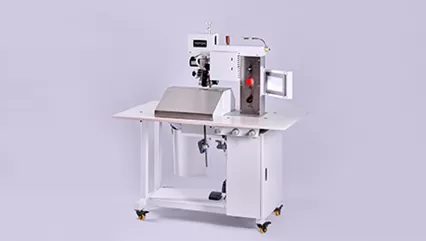
Machine condition directly affects tape performance. A worn roller, blocked nozzle, unstable temperature sensor, or incorrect nozzle position can cause uneven bonding and peeling.
Machine Issues to Check
Hot-air temperature stability
Nozzle blockage or incorrect angle
Roller wear or uneven pressure
Incorrect tape feeding tension
Machine speed fluctuation
Operator inconsistency
Solution
Maintain the hot-air taping machine regularly. Check nozzle cleanliness, roller condition, temperature accuracy, pressure setting, and tape alignment before mass production. A stable machine process is essential for consistent seam sealing quality.
How to Diagnose Seam Tape Peeling Step by Step
When peeling occurs, do not immediately blame the tape or increase temperature blindly. A structured diagnosis saves time and avoids repeated production failures.
Check where the peeling happens: straight seam, curved seam, intersection, edge, or after washing.
Check whether adhesive remains on the fabric or on the tape.
Check whether the fabric coating is pulled off with the tape.
Review machine temperature, speed, pressure, and nozzle position.
Test a slower speed and slightly higher temperature.
Test another tape type on the same fabric.
Test the same tape on another fabric.
Perform washing and peel strength tests before final judgment.
Peeling Timing Helps Identify the Root Cause
| When Peeling Happens | Likely Cause | Recommended Action |
|---|
| Immediately after taping | Low temperature, fast speed, low pressure, or wrong tape | Adjust machine settings and check tape compatibility |
| After cooling | Insufficient adhesive activation or weak bonding | Increase heat transfer and pressure |
| After folding or stretching | Tape too stiff or not elastic enough | Use softer or elastic TPU tape |
| After washing | Poor wash resistance or incomplete bonding | Use wash-resistant tape and optimize taping parameters |
| Only at seam intersections | Uneven seam thickness or insufficient pressure | Adjust seam construction, pressure, nozzle position, or tape width |
| Random areas | Contamination, fabric inconsistency, or machine instability | Check fabric surface, storage, and machine condition |
How to Prevent Seam Tape Peeling Before Mass Production
Test the Actual Fabric
Always test seam tape on the actual production fabric. Do not rely only on previous success with a similar fabric. Coating chemistry, surface finish, and fabric treatment can differ between suppliers and batches.
Confirm the Correct Tape Type
Choose PU, TPU, PVC, 2-layer, or 3-layer seam tape according to fabric structure and garment application. Technical outerwear, stretch garments, rainwear, and protective clothing often need different tape solutions.
Optimize Machine Settings
Record temperature, speed, pressure, nozzle position, and roller condition during testing. Once the correct setting is confirmed, keep it consistent during bulk production.
Run Washing and Aging Tests
Initial adhesion is not enough. Test the tape after washing, drying, folding, and flexing. For outdoor jackets and workwear, this step is especially important.
Control Workshop Conditions
Fabric and tape should be stored properly before use. Avoid moisture, dust, oil, and excessive heat. Poor storage can reduce bonding quality even before production starts.
Practical Troubleshooting Guide for Factories
| Problem | Possible Cause | Factory Adjustment |
|---|
| Tape edge lifts | Low temperature, low pressure, wrong width | Increase temperature/pressure and confirm tape coverage |
| Tape wrinkles | Excessive heat, wrong tape width, curved seam tension | Reduce temperature, adjust speed, use suitable tape width |
| Tape peels after washing | Poor wash resistance or weak bonding | Use better tape grade and optimize heat activation |
| Fabric burns or gloss marks appear | Temperature too high or speed too slow | Lower temperature or increase speed slightly |
| Peeling at thick seams | Insufficient heat and pressure at seam bulk | Slow down speed, adjust nozzle, increase pressure carefully |
| Water leaks through seam | Poor coverage, weak bonding, narrow tape | Check tape width, seam allowance, and waterproof test result |
When Should You Change the Tape Instead of Adjusting the Machine?
Machine adjustment can solve many problems, but not all. If the tape is fundamentally incompatible with the fabric, increasing temperature or pressure may only damage the garment without improving bonding.
You Should Consider Changing Tape If:
Several machine settings still produce weak adhesion
The tape peels after washing even with good initial bonding
The fabric is stretch but the tape is stiff
The coating type does not match the adhesive system
The tape causes visible damage to fabric at the required bonding temperature
The finished garment cannot pass waterproof or peel strength testing
In these cases, request alternative tape samples from the supplier. A different adhesive formula, tape structure, width, or material type may solve the problem more effectively than forcing the current tape to work.
What Information Should Buyers Provide When Asking for a Solution?
To solve seam tape peeling quickly, buyers should provide clear production details. A professional supplier can make a better recommendation when the real fabric and process conditions are known.
Fabric type and coating material
Fabric structure: 2-layer, 2.5-layer, or 3-layer
Current seam tape type and width
Garment application: jacket, rainwear, workwear, footwear, sportswear, protective clothing
Hot-air taping machine model
Current temperature, speed, and pressure settings
Where peeling occurs on the garment
Whether peeling happens before or after washing
Photos or samples of the peeling area
Required waterproof and washing standards
FAQ: Seam Tape Peeling Problems
Why does seam tape peel off after washing?
Seam tape may peel after washing because the adhesive is not compatible with the fabric, the bonding temperature was too low, the pressure was insufficient, the tape has poor wash resistance, or the washing conditions are too harsh for the selected tape.
Can I fix peeling seam tape by increasing temperature?
Sometimes, but not always. Higher temperature can improve adhesive activation if the original temperature was too low. However, if the tape is not compatible with the fabric, higher temperature may damage the garment without solving the peeling problem.
Why does seam tape peel only at the edges?
Edge peeling is often caused by insufficient pressure, low temperature, wrong tape width, contamination, or poor contact between the tape and fabric. Curved seams and thick seam areas are more likely to show edge lifting.
Why does seam tape peel at seam intersections?
Seam intersections are thicker and harder to seal. Heat and pressure may not transfer evenly through multiple fabric layers. Adjusting speed, pressure, nozzle position, tape width, or seam construction can improve bonding.
Is peeling always a tape quality problem?
No. Peeling may be caused by fabric incompatibility, incorrect machine settings, poor fabric coating strength, contamination, washing conditions, or machine maintenance issues. Tape quality is only one possible factor.
How can I test seam tape before bulk production?
Apply the tape to the actual production fabric using planned machine settings, then test peel strength, waterproof performance, washing durability, flexing resistance, and appearance. Testing should include difficult seam areas, not only flat fabric panels.
What type of seam tape is better for stretch fabric?
Elastic TPU seam sealing tape is usually better for stretch fabric because it moves with the garment and reduces the risk of cracking, wrinkling, or peeling during repeated movement.
Final Recommendation
Seam tape peeling should be solved through systematic troubleshooting, not guesswork. Start by checking fabric compatibility, then review hot-air taping temperature, speed, pressure, seam thickness, tape width, washing requirement, storage condition, and machine maintenance.
For buyers, garment factories, and brands, the most effective prevention is early sample testing. Use the actual fabric, real seam construction, production-level taping settings, and expected washing conditions before confirming bulk orders. A small investment in testing can prevent large losses from leakage, rework, rejected shipments, and customer complaints.
If seam tape peeling is already happening in production, prepare fabric samples, peeling photos, machine parameters, and washing test results before consulting the supplier. With complete information, the correct tape type and process adjustment can usually be identified much faster.
 中文
中文 English
 français
 Deutsch
 tiếng việt
 Indonesia
 বাঙালি