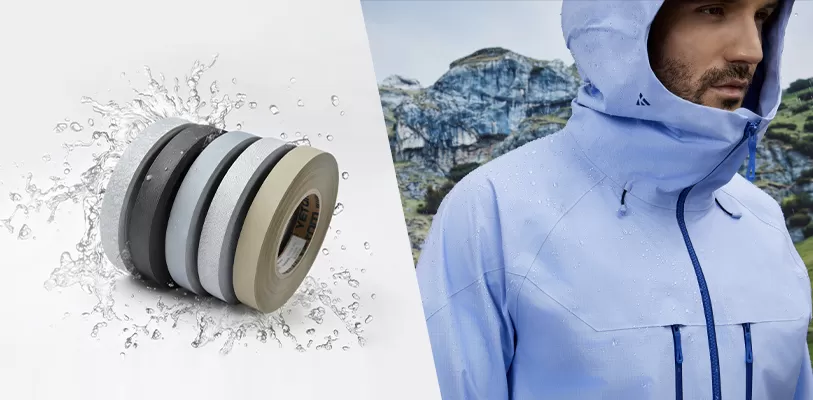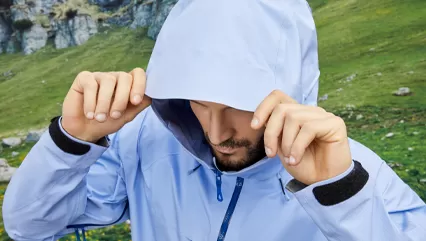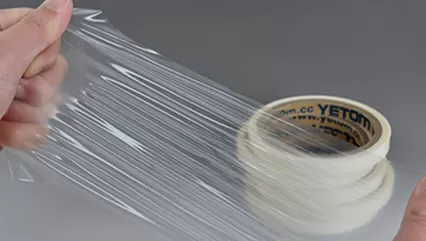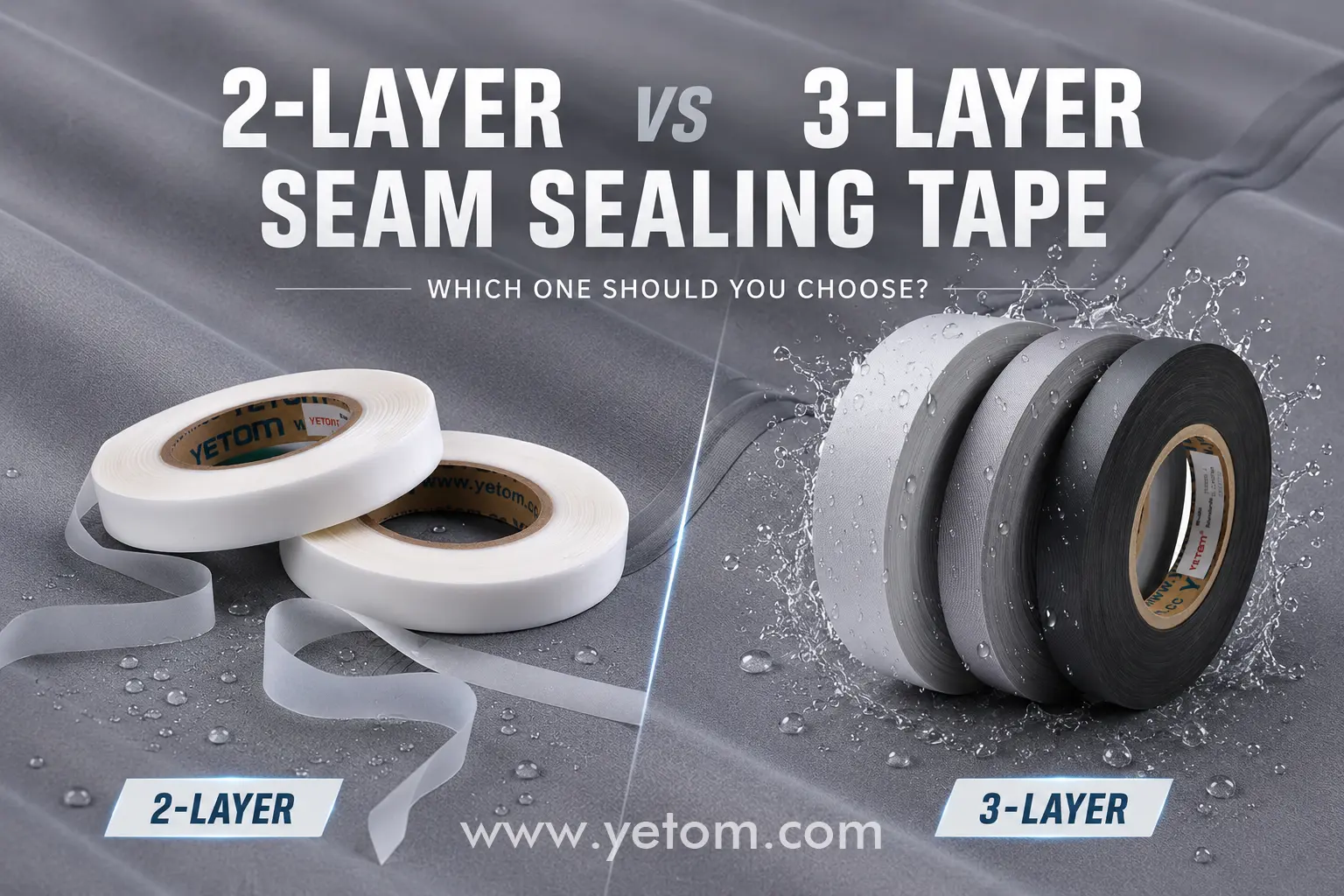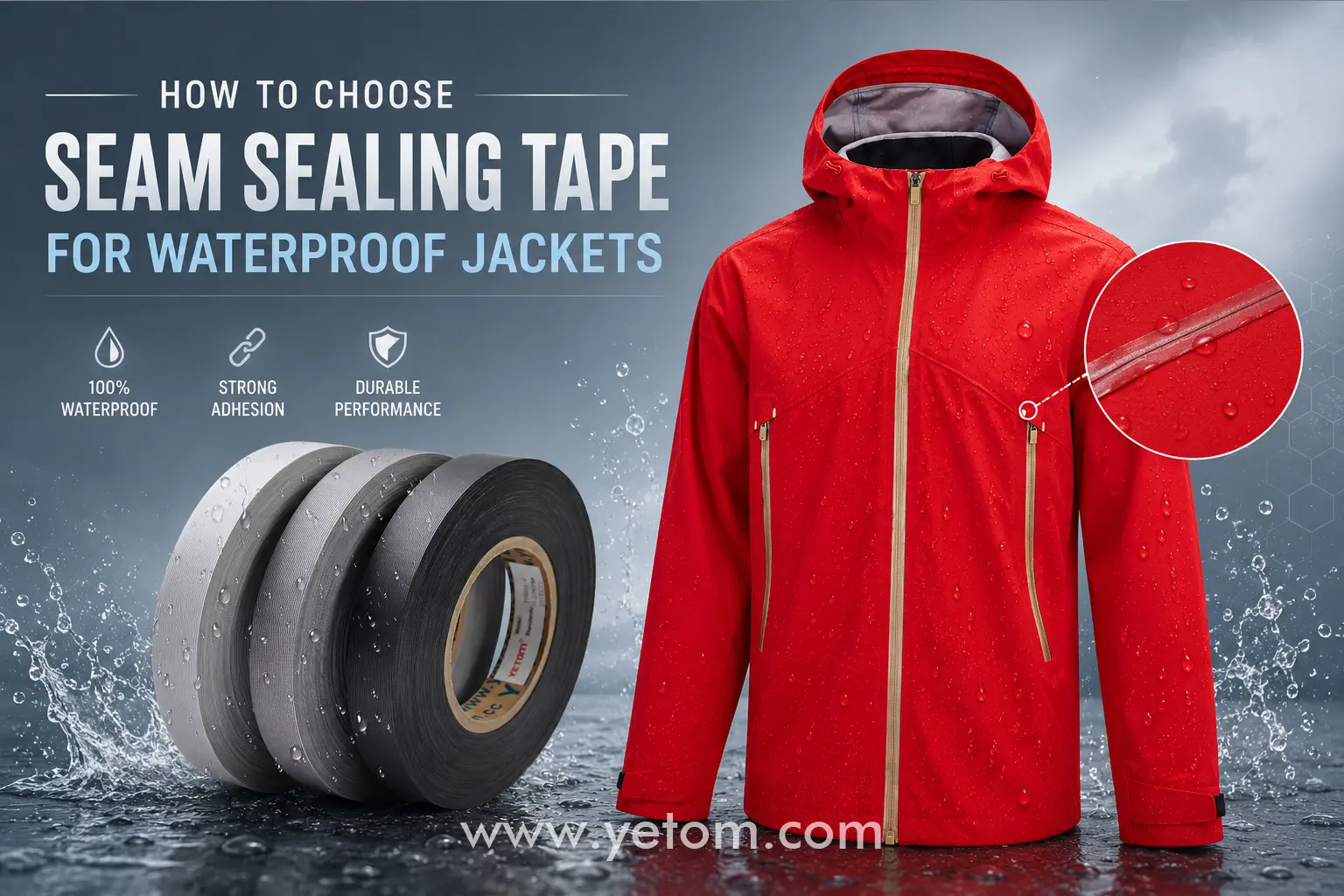
To choose the right seam sealing tape for waterproof jackets, start with the jacket fabric first: coating type, membrane structure, fabric thickness, stretch level, washing requirement, and end-use environment. For lightweight rain jackets, a 2-layer PU seam sealing tape is often enough. For premium waterproof breathable shells, ski jackets, and technical outdoor apparel, a 3-layer textile-backed tape or high-performance TPU tape is usually a safer choice.
The tape should not be selected only by price or appearance. A correct seam tape must bond securely to the fabric, pass waterproof testing, survive washing, match the jacket’s flexibility, and run smoothly on hot-air taping machines. In real production, many seam leakage and peeling problems come from wrong tape-fabric matching rather than poor sewing quality.
What Does Seam Sealing Tape Do in a Waterproof Jacket?
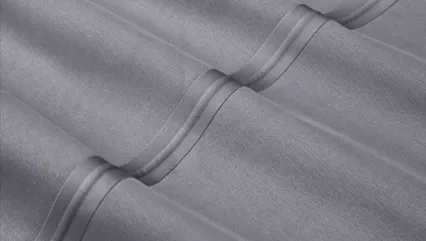
Even if the jacket fabric is waterproof, needle holes are created during sewing. These small holes allow water to enter through the seam area. Seam sealing tape is applied over the stitched seams by hot-air taping equipment to block water penetration and restore waterproof performance.
For waterproof jackets, seam tape directly affects:
A jacket can use expensive waterproof breathable fabric, but if the seam tape is not suitable, the finished garment may still fail waterproof testing.
Start with the Jacket Fabric Before Choosing Tape
The most important rule is simple: choose seam sealing tape according to the fabric surface that the adhesive will bond to. The outer face fabric is not the key point. The inner coating, membrane, or laminated backer determines tape compatibility.
Key Fabric Questions to Confirm
Is the fabric PU-coated, TPU-laminated, PVC-coated, or PTFE-based?
Is it a 2-layer, 2.5-layer, or 3-layer waterproof fabric?
Is the inside surface smooth, printed, coated, brushed, or textile-backed?
Does the fabric have stretch?
Is the garment designed for light rain, hiking, skiing, workwear, or protective use?
How many washing cycles must the jacket pass?
What waterproof pressure standard is required?
Without this information, tape selection becomes guesswork. Professional buyers should always provide fabric samples or fabric specifications before confirming bulk tape orders.
| Tape Type | Best For | Main Advantage | Important Consideration |
|---|
| 2-Layer PU Seam Sealing Tape | Rain jackets, lightweight outdoorwear, PU-coated fabrics | Cost-effective, flexible, easy to apply | Not ideal for heavy abrasion or premium 3-layer shells |
| 3-Layer Seam Sealing Tape | Technical jackets, ski wear, 3-layer fabrics | Better durability, comfort, and inner appearance | Higher cost and requires accurate machine settings |
| TPU Seam Sealing Tape | Stretch jackets, softshells, premium outdoor apparel | Soft, elastic, durable, environmentally preferred by many buyers | Must match fabric surface and processing temperature |
| PVC Seam Sealing Tape | PVC rainwear, industrial waterproof garments | Good compatibility with PVC-coated materials | Less common for premium breathable outdoor jackets |
| Transparent Seam Sealing Tape | Lightweight jackets and products needing discreet appearance | Clean visual effect | Fabric surface and seam quality are more visible |
| Colored Seam Sealing Tape | Brand jackets, outdoor shells, visible inner seams | Better color matching and design consistency | MOQ and color development time may be higher |
How to Choose Seam Tape by Jacket Type
Lightweight Rain Jackets
For lightweight rain jackets, cost, flexibility, and smooth production are usually the main concerns. A 2-layer PU seam sealing tape is often suitable if the fabric is PU-coated or compatible with PU adhesive.
This type of jacket is usually used for urban rain protection, travel, promotional outerwear, or simple outdoor activities. The tape does not need to be over-specified unless the buyer requires high washing durability or a premium inner finish.
Recommended Tape Features
2-layer structure
PU-based adhesive
Soft and lightweight feel
Common width around 18 mm to 22 mm
Good bonding to PU-coated fabric
Waterproof Breathable Hiking Jackets
For hiking jackets, the seam tape must support both waterproof performance and long-term comfort. These jackets often use waterproof breathable membranes, so adhesive compatibility becomes more important.
A 3-layer seam sealing tape is often preferred for mid-range and premium hiking jackets because it improves inner appearance and durability. For lighter products, a high-quality 2-layer PU or TPU tape may also work after testing.
Recommended Tape Features
Compatible with waterproof breathable fabric
Good washing resistance
Soft hand feel
Stable bonding after flexing
3-layer structure for premium jackets
Ski Jackets and Snowboard Jackets
Ski jackets face snow, moisture, friction, repeated bending, and low-temperature conditions. Seam tape must be more durable than tape used for basic rainwear.
For ski wear, 3-layer seam sealing tape or durable TPU tape is usually recommended. Tape peeling at shoulder seams, hood seams, pocket seams, and underarm areas can seriously affect product quality because these zones experience frequent stress and movement.
Recommended Tape Features
High abrasion resistance
Good low-temperature flexibility
Strong adhesion after washing
Suitable for thicker seam intersections
3-layer textile-backed structure for better durability
Workwear and Protective Waterproof Jackets
Waterproof workwear requires practical durability. The jacket may be exposed to rain, mud, oil, repeated washing, and heavy movement. In this case, tape selection should focus on adhesion strength and long-term reliability rather than only softness.
Depending on the fabric, PU, TPU, or PVC-compatible tape may be used. For protective garments, testing standards should be confirmed before production because failure may create safety or compliance issues.
Recommended Tape Features
Strong bonding to coating or membrane
Excellent wash resistance
Good resistance to bending and abrasion
Stable performance on heavy seams
Correct width for seam coverage
Stretch Waterproof Jackets and Softshells
Stretch fabrics need seam tape that can move with the garment. If the tape is too stiff, it may restrict movement, crack, wrinkle, or peel after repeated stretching.
TPU seam sealing tape is often a better option for stretch waterproof jackets because it provides good elasticity and a softer feel. However, the tape still needs to be tested on the actual fabric to confirm bonding strength and recovery after stretching.
Recommended Tape Features
2-Layer, 2.5-Layer, and 3-Layer Jacket Fabrics: Which Tape Works Best?
Waterproof jacket fabrics are often described as 2-layer, 2.5-layer, or 3-layer. These fabric structures influence tape selection, but they are not the only factor. The adhesive must still match the inner surface of the fabric.
| Jacket Fabric Structure | Typical Use | Common Tape Choice | Selection Notes |
|---|
| 2-Layer Fabric | Rain jackets, casual outdoorwear | 2-layer PU tape or compatible TPU tape | Good balance between cost and waterproofing |
| 2.5-Layer Fabric | Lightweight packable jackets | Thin PU or TPU seam sealing tape | Need careful temperature control to avoid damaging the print or coating |
| 3-Layer Fabric | Premium shells, ski jackets, technical outdoorwear | 3-layer seam sealing tape | Better appearance, comfort, and durability |
How Wide Should Seam Sealing Tape Be for Waterproof Jackets?
Common seam sealing tape widths for waterproof jackets include 18 mm, 20 mm, 22 mm, and 25 mm. The correct width depends on seam allowance, garment design, fabric thickness, and waterproof testing requirements.
18 mm Tape
18 mm tape is often used for lightweight jackets or narrow seam allowances. It creates a cleaner and lighter appearance but requires accurate sewing and taping control.
20 mm to 22 mm Tape
This is a common range for many waterproof jackets. It provides practical seam coverage without adding too much stiffness or weight.
25 mm or Wider Tape
Wider tape may be used for heavy garments, complex seams, protective clothing, or areas requiring stronger coverage. However, it may increase cost and reduce flexibility if used unnecessarily.
What Waterproof Performance Should Buyers Consider?
Waterproof jacket buyers often focus on fabric ratings, but seam performance must also be tested. A jacket with high waterproof fabric can still leak if the seam tape does not bond properly.
Important performance checks include:
Hydrostatic pressure test after taping
Peel strength test
Washing durability test
Flexing and bending resistance
Low-temperature performance for winter garments
Appearance after heat application
Bonding quality at seam intersections
For commercial production, testing should be done on the actual fabric, with the actual seam structure, using production-level taping parameters.
How Washing Requirements Affect Tape Selection
Washing durability is one of the most important factors for waterproof jackets. Some tapes look good immediately after production but begin to peel after several wash cycles.
For Casual Rainwear
Moderate washing durability may be acceptable if the product is positioned as economical or occasional-use rainwear. A well-matched 2-layer PU tape can be sufficient.
For Outdoor Jackets
Outdoor jackets need stronger washing resistance because users expect longer service life. 3-layer tape or high-quality TPU tape is usually more appropriate.
For Workwear and Protective Clothing
Workwear may require frequent industrial or heavy-duty washing. The tape must be selected according to strict durability requirements, not only basic waterproofing.
Hot-Air Taping Machine Settings Matter
Correct tape selection is only half of the process. Seam sealing performance also depends on hot-air taping machine settings.
The main process parameters include:
If the temperature is too low, the adhesive may not melt enough. If the temperature is too high, the fabric coating may be damaged. If the pressure is insufficient, bonding will be weak. If the speed is too fast, heat transfer may be incomplete.
That is why buyers should not evaluate tape quality without checking production settings. A good supplier should be able to provide recommended taping parameters as a starting point.
Common Mistakes When Buying Seam Sealing Tape for Jackets
Using One Tape for All Fabrics
This is one of the most common sourcing mistakes. A tape that works on one PU-coated fabric may fail on another fabric with a different coating, finish, or membrane.
Only Comparing Unit Price
Lower tape price can look attractive, but failed waterproof testing, rework, rejected goods, and customer returns are much more expensive than the small difference in tape cost.
Ignoring Stretch
For stretch jackets, standard seam tape may restrict movement or peel under repeated tension. Elastic TPU seam tape should be considered for stretch applications.
Choosing Tape Width Without Checking Seam Design
If the tape is too narrow, it may not cover the needle holes properly. If it is too wide, it may increase stiffness and affect garment comfort.
Skipping Bulk Production Testing
Lab samples are useful, but production conditions can be different. Before mass production, buyers should run trial taping on actual garments or production fabric panels.
How to Evaluate Seam Tape Samples Before Bulk Order
Before placing a bulk order, buyers should test seam tape samples under realistic conditions. A visual check is not enough.
Recommended Sample Testing Process
Apply the tape on the actual jacket fabric.
Use the planned seam structure and stitch type.
Test different temperature, speed, and pressure settings.
Check the tape surface for wrinkles, bubbles, burns, or poor bonding.
Test waterproof performance after taping.
Perform washing or aging tests according to garment requirements.
Check peel strength after washing and drying.
Confirm appearance, hand feel, and flexibility.
This testing process helps avoid costly problems during mass production.
Recommended Seam Tape Selection by Buying Scenario
| Buying Scenario | Recommended Tape | Reason |
|---|
| Low-cost rain jacket production | 2-layer PU seam sealing tape | Good waterproofing with controlled cost |
| Premium hiking shell | 3-layer PU or TPU seam sealing tape | Better durability, comfort, and appearance |
| Stretch waterproof softshell | Elastic TPU seam sealing tape | Moves with the fabric and reduces cracking risk |
| PVC rainwear or industrial cover garment | PVC-compatible seam sealing tape | Better bonding to PVC-coated surfaces |
| Ski jacket or winter outdoorwear | Durable 3-layer or TPU seam sealing tape | Better resistance to friction, washing, and cold conditions |
| Protective waterproof clothing | Application-specific high-adhesion tape | Performance and compliance are more important than lowest cost |
What Information Should You Provide to a Seam Tape Supplier?
To receive an accurate recommendation, buyers should provide more than just “we need seam sealing tape for waterproof jackets.” The more complete the information, the lower the risk of mismatch.
Useful Information for Tape Selection
Fabric composition and coating type
Fabric structure: 2-layer, 2.5-layer, or 3-layer
Fabric thickness and weight
Stretch requirement
Jacket application: rainwear, hiking, ski, workwear, protective clothing
Required tape width and color
Target waterproof standard
Washing test requirement
Hot-air taping machine model if available
Current taping problems, such as peeling, leakage, wrinkling, or weak adhesion
With this information, a professional supplier can recommend suitable tape structure, adhesive type, width, color, and machine parameter range.
FAQ: Choosing Seam Sealing Tape for Waterproof Jackets
What is the best seam sealing tape for waterproof jackets?
The best tape depends on the fabric and jacket application. For basic rain jackets, 2-layer PU seam sealing tape is often suitable. For technical waterproof breathable jackets, 3-layer seam sealing tape or TPU seam tape is usually a better choice.
Can I use the same seam tape for all waterproof fabrics?
No. Different coatings and membranes require different adhesive compatibility. PU-coated, TPU-laminated, PVC-coated, and 3-layer waterproof breathable fabrics may need different tape solutions.
Why does seam tape peel off waterproof jackets?
Common causes include wrong adhesive type, incompatible fabric coating, low temperature, insufficient pressure, excessive machine speed, contaminated fabric surface, or poor washing resistance.
Is wider seam tape better?
Not always. Wider tape provides more coverage, but it can increase stiffness, weight, and cost. The tape width should match the seam structure and waterproof requirement.
Should waterproof jackets use PU or TPU seam tape?
PU seam tape is widely used for waterproof apparel and offers good cost-performance. TPU seam tape is often preferred for softer, more elastic, and higher-performance applications. The final choice should be confirmed by sample testing.
Do I need 3-layer seam tape for every waterproof jacket?
No. 3-layer tape is better for premium jackets, ski wear, and technical outerwear, but it may be unnecessary for basic rain jackets or promotional waterproof garments.
Final Recommendation
For waterproof jacket production, the right seam sealing tape should be selected according to fabric compatibility, jacket type, waterproof standard, washing durability, stretch requirement, and production process. Basic rainwear can often use 2-layer PU tape, while technical outdoor jackets benefit from 3-layer or TPU seam sealing tape.
Before bulk purchasing, always test the tape on the actual fabric with the real seam structure and hot-air taping parameters. This is the most reliable way to prevent peeling, leakage, failed testing, and unnecessary production losses.
If you are developing waterproof jackets, hiking shells, ski wear, workwear, or protective garments, prepare your fabric details and performance requirements before requesting samples. A correct tape recommendation at the beginning can save significant time, cost, and quality risk during mass production.
 中文
中文 English
 français
 Deutsch
 tiếng việt
 Indonesia
 বাঙালি