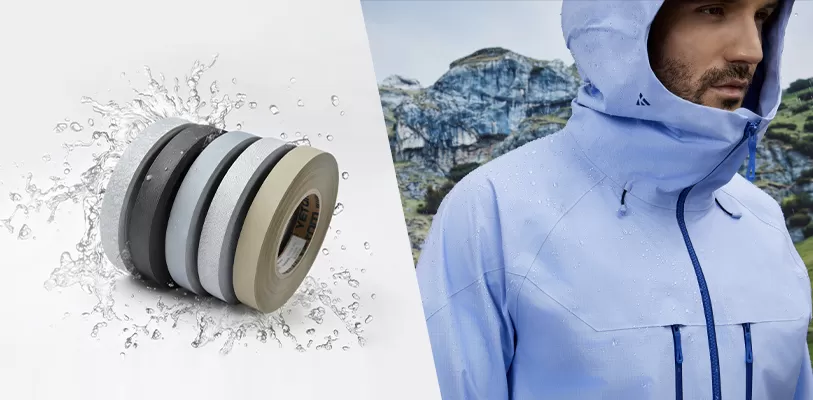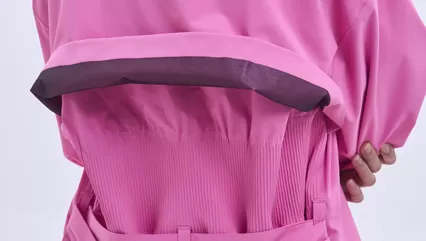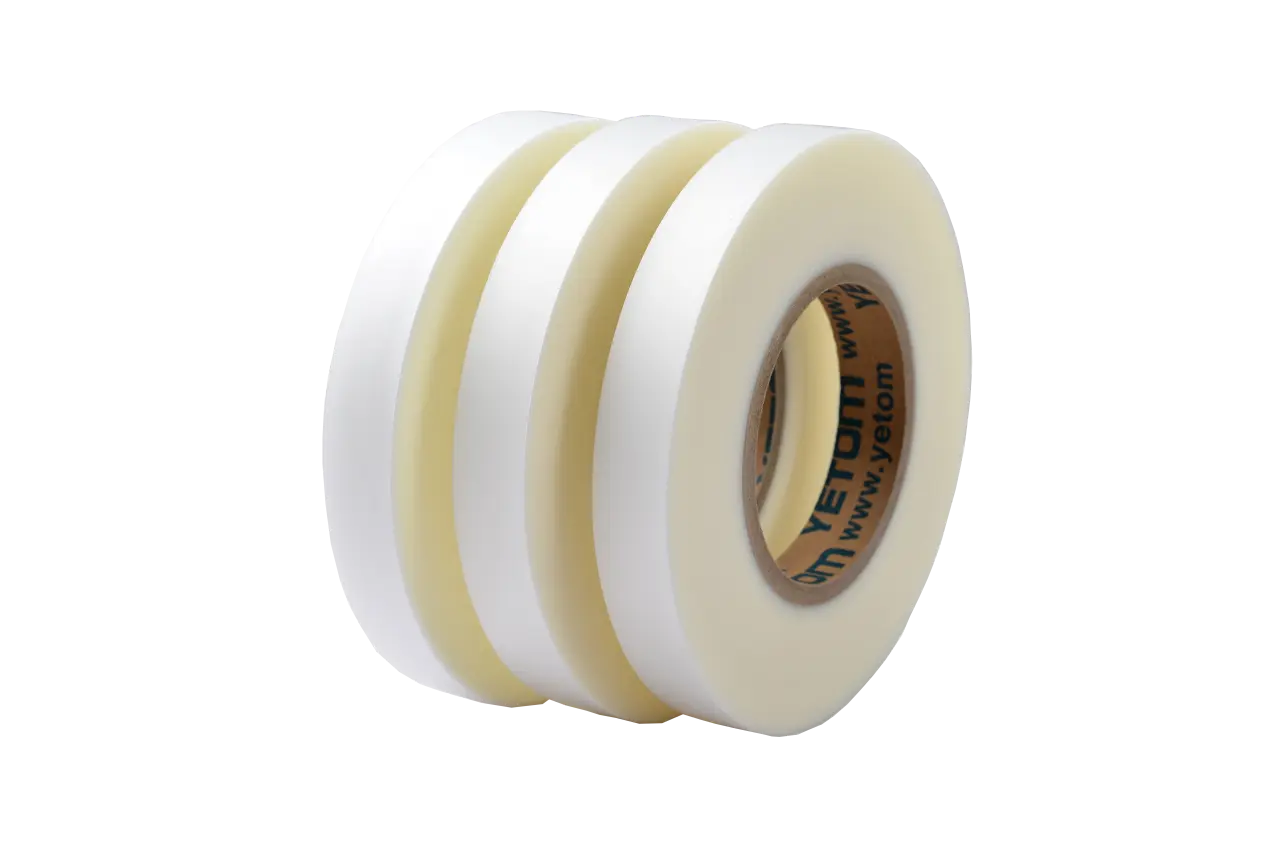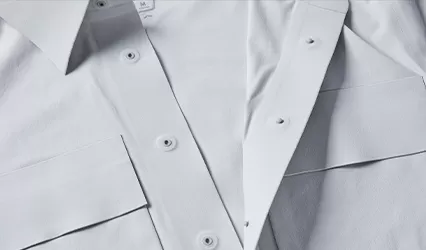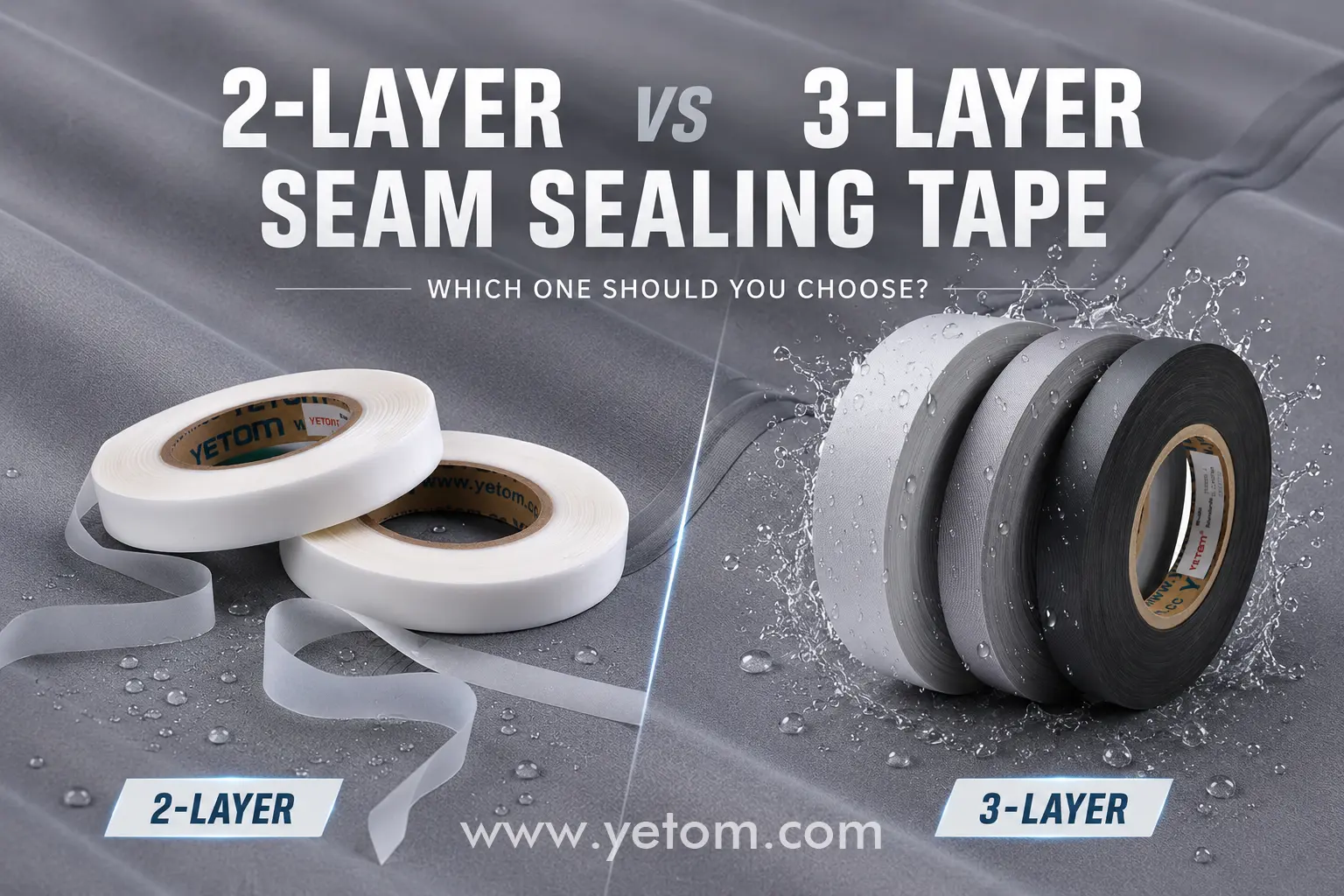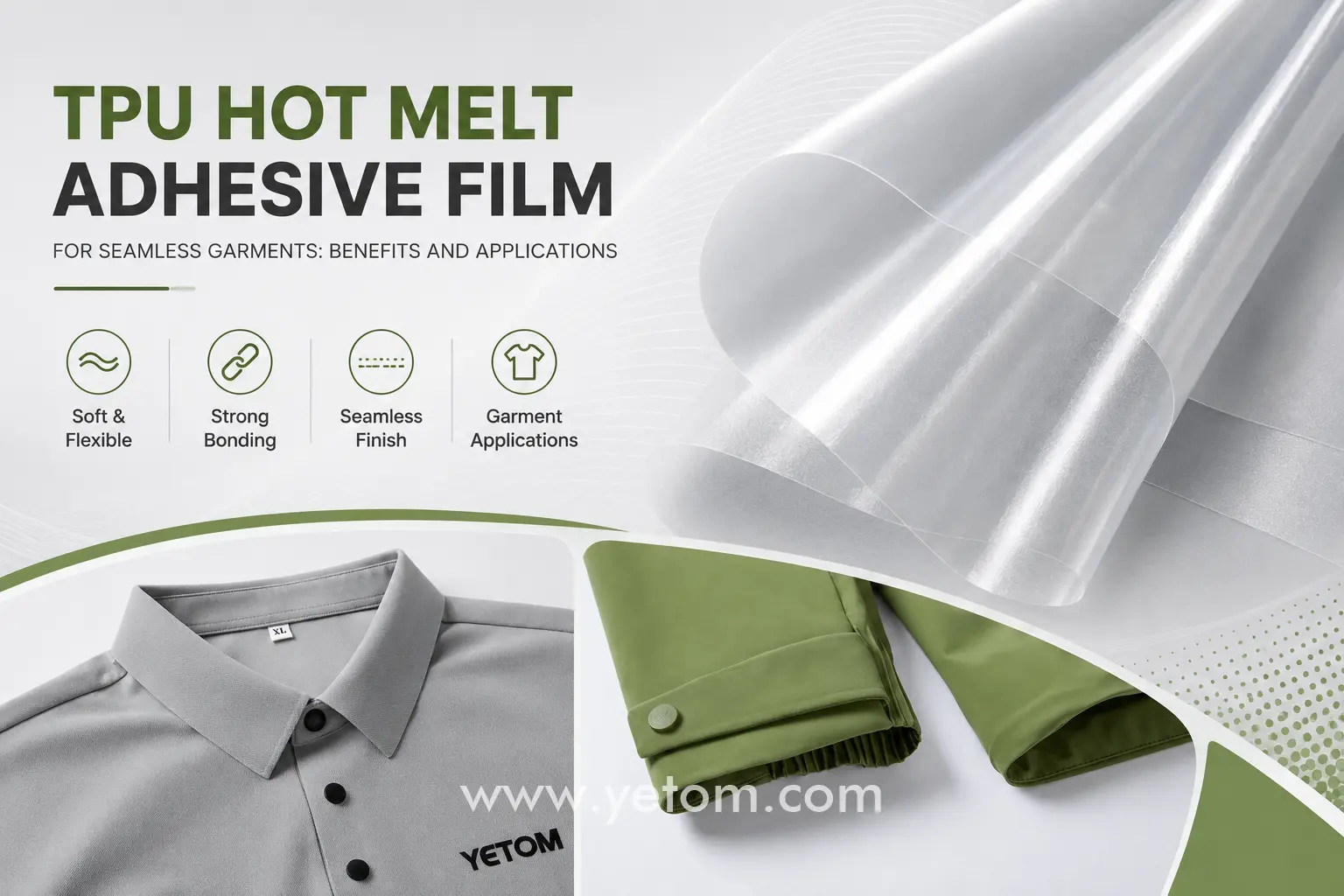
TPU hot melt adhesive film is one of the most suitable bonding materials for seamless garments because it offers soft hand feel, elasticity, wash resistance, clean appearance, and stable bonding on many stretch fabrics. It is widely used in seamless underwear, sportswear, yoga wear, bonded hems, waistbands, cuffs, zipper areas, garment labels, reinforcements, and performance apparel where traditional stitching may create bulk, irritation, or design limitations.
For garment brands and factories, TPU hot melt adhesive film is not only a replacement for sewing in selected areas. It is a production solution that helps improve comfort, reduce seam thickness, support lightweight design, and create a more premium garment finish. However, the right TPU film must be selected according to fabric type, stretch requirement, bonding temperature, washing standard, film thickness, and production equipment.
What Is TPU Hot Melt Adhesive Film?
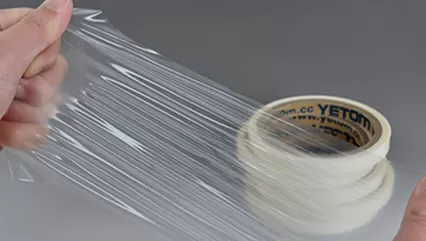
TPU hot melt adhesive film is a thermoplastic polyurethane adhesive material supplied in film form. It is activated by heat and pressure, melts during bonding, and then solidifies after cooling to create adhesion between fabrics or other flexible materials.
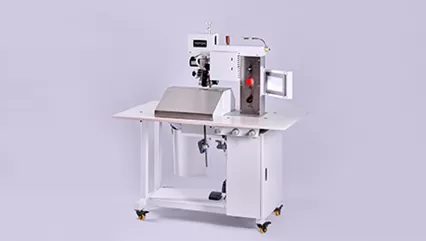
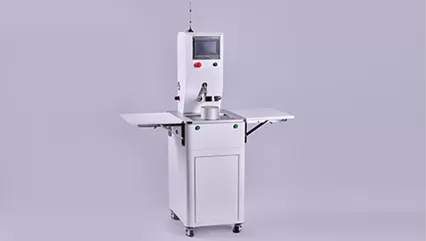
Compared with liquid glue, TPU adhesive film is cleaner, more uniform, easier to cut, easier to position, and more suitable for modern garment production. It is commonly used with heat press machines, flatbed lamination machines, roller lamination equipment, hot-air bonding systems, and automated seamless garment production lines.
Why TPU Film Is Popular in Seamless Garments
Seamless garments require bonding materials that can move with the fabric. Many seamless apparel products use elastic fabrics such as nylon-spandex, polyester-spandex, microfiber, and functional stretch textiles. If the adhesive is too stiff, too thick, or not elastic enough, the garment may feel uncomfortable or fail after repeated stretching and washing.
TPU hot melt adhesive film is widely selected because it provides a good balance of softness, elasticity, bonding strength, and durability.
| Requirement for Seamless Garments | Why TPU Hot Melt Film Works |
|---|
| Soft hand feel | TPU film can create a smooth and flexible bonded area |
| Stretch recovery | It moves with elastic fabrics and reduces cracking risk |
| Low seam bulk | It helps create flat seams and clean garment edges |
| Wash resistance | Properly selected TPU film can withstand repeated laundering |
| Comfort against skin | It reduces rough stitched areas and improves wearing comfort |
| Design flexibility | It can be cut into strips, shapes, logos, and reinforcement panels |
1. Softer and Flatter Than Traditional Sewing
Traditional sewing creates stitch lines, thread bulk, and seam ridges. In close-fitting garments, these raised areas may cause discomfort, skin friction, or visible lines under outer clothing.
TPU hot melt adhesive film helps create smooth bonded seams and edges. This is especially useful for seamless underwear, activewear, yoga wear, base layers, and compression garments where comfort and appearance are important selling points.
2. Good Elasticity for Stretch Fabrics
Seamless garments often require repeated stretching during wearing, washing, and movement. TPU film can stretch and recover better than many rigid adhesive materials. This reduces the risk of cracking, edge lifting, or uncomfortable stiffness.
3. Clean Appearance and Premium Finish
TPU hot melt adhesive film supports a clean, modern appearance. It allows garment designers to create bonded hems, invisible edges, smooth waistbands, laminated panels, and reinforcement areas without obvious stitching.
This is valuable for premium apparel brands because consumers increasingly expect garments to be lightweight, smooth, and refined both inside and outside.
4. Reduced Irritation in Skin-Contact Garments
For underwear, sports bras, base layers, and compression garments, comfort against the skin is critical. Stitching can create friction during movement, especially in areas such as shoulders, waist, underarms, leg openings, and side seams.
TPU adhesive film can reduce seam irritation by replacing or supporting stitching in selected areas. This improves the wearing experience and helps brands position products as high-comfort or performance-oriented garments.
5. Suitable for Automated and Efficient Production
TPU hot melt adhesive film can be supplied in rolls, sheets, strips, or customized widths. It can also be die-cut or laser-cut into specific shapes. This makes it suitable for standardized production and automated seamless garment processing.
For factories, stable film thickness, consistent melting behavior, and reliable release paper are important because they help reduce production defects and improve processing efficiency.
6. Good Washing Durability When Properly Selected
Garments are repeatedly washed, stretched, folded, and dried. A bonding material that performs well only at the sample stage is not enough. High-quality TPU hot melt adhesive film can provide good washing durability when the film grade, fabric surface, temperature, pressure, and bonding time are correctly matched.
For commercial production, washing tests should always be performed before bulk approval.
Common Applications of TPU Hot Melt Adhesive Film in Seamless Garments
| Application Area | Function of TPU Film | Key Requirement |
|---|
| Seamless underwear | Bonded edges, leg openings, waistbands, side seams | Softness, stretch, skin comfort |
| Sportswear | Panel bonding, reinforcement, hems, cuffs | Elasticity, sweat resistance, washing durability |
| Yoga wear | Smooth seams, bonded hems, waistband support | Stretch recovery and soft hand feel |
| Compression garments | Structural support and flat bonding | Stable adhesion under repeated tension |
| Technical wear | Placket, brim, and other structured areas | Stiff, windproof and waterproof |
| Garment labels | Heat-bonded labels without sewing | Wash resistance and clean appearance |
| Zipper reinforcement | Strengthening fabric around zipper areas | Bonding strength and dimensional stability |
| Decorative bonding | Logos, trims, reflective elements, overlays | Accurate cutting and appearance stability |
TPU Film for Seamless Underwear
Seamless underwear requires excellent softness, thin bonding, stretch recovery, and skin comfort. TPU hot melt adhesive film is often used for bonded edges, leg openings, waistbands, and side seam areas.
Compared with sewing, TPU bonding can reduce visible panty lines, improve comfort, and create a smoother garment shape. For high-end underwear brands, this can directly improve product value and consumer satisfaction.
Recommended Film Features for Seamless Underwear
Thin and soft TPU film
Good elasticity and recovery
Low-temperature bonding if fabric is heat-sensitive
Good washing durability
Smooth hand feel after bonding
Stable bonding on nylon-spandex or polyester-spandex fabrics
TPU Film for Sportswear and Activewear
Sportswear needs to handle stretching, sweating, washing, and repeated body movement. TPU hot melt adhesive film is used for bonded seams, reinforcement strips, hems, cuffs, logos, and panel bonding.
In activewear production, the film must not only bond strongly but also maintain flexibility. A stiff adhesive can reduce wearing comfort and restrict movement.
Important Requirements for Sportswear Bonding
High stretch performance
Resistance to sweat and washing
Soft hand feel
Stable bonding after repeated movement
No cracking or edge lifting
Compatibility with elastic synthetic fabrics
TPU Film for Yoga Wear and Leggings
Yoga wear and leggings require high elasticity, smooth surface appearance, and comfort during stretching. TPU hot melt adhesive film can be used for waistband bonding, hem bonding, reinforcement panels, and decorative overlays.
Because yoga garments are often stretched in multiple directions, film selection should focus on stretch recovery and bonding stability. Testing should include repeated stretching, washing, and visual inspection after movement.
TPU Film for Bonded Hems and Cuffs
Bonded hems and cuffs are common in seamless garment design. TPU film helps create a clean edge without visible stitching. It can also reduce bulk and improve the garment’s modern appearance.
However, the film thickness must be carefully selected. If the film is too thick, the hem may feel stiff. If it is too thin, bonding strength may be insufficient, especially on textured or elastic fabrics.
TPU Film for Garment Reinforcement
TPU hot melt adhesive film can be used to reinforce areas that experience stress, friction, or repeated movement. Examples include zipper openings, pocket edges, shoulder areas, waistbands, and seam intersections.
In reinforcement applications, the film may need higher bonding strength and better dimensional stability. The best film is not always the thinnest one. Buyers should balance strength, softness, and appearance.
TPU Film for Logos, Labels, and Decorative Elements
TPU adhesive film can bond logos, labels, reflective elements, printed patches, and decorative trims to garments. It supports clean positioning and avoids sewing marks.
For visible applications, buyers should consider transparency, color, yellowing resistance, edge cleanliness, and bonding temperature. White or light-colored garments require extra attention because adhesive appearance changes may be more noticeable.
TPU Hot Melt Adhesive Film vs Sewing
| Comparison Item | TPU Hot Melt Film Bonding | Traditional Sewing |
|---|
| Appearance | Smooth, clean, modern | Visible stitch lines |
| Comfort | Lower bulk and less friction | May create raised seams |
| Stretch performance | Good when correct TPU film is used | Depends on thread and stitch type |
| Production flexibility | Suitable for bonding, cutting, lamination, and automation | Suitable for structural seams and conventional garment assembly |
| Strength | Excellent for suitable applications | Still preferred for some heavy structural seams |
| Best Use | Seamless edges, hems, panels, reinforcements | Main garment construction and high-load seams |
TPU film does not need to replace all sewing. In many garments, the best solution is a combination of sewing and bonding. Sewing provides structural strength where needed, while TPU film improves comfort, appearance, and performance in selected areas.
TPU Hot Melt Adhesive Film vs Other Adhesive Films
| Film Type | Suitability for Seamless Garments | Main Advantage | Main Limitation |
|---|
| TPU Film | Excellent | Soft, elastic, washable, comfortable | Higher cost than basic films |
| PES Film | Moderate | Good textile bonding and washing resistance | Less elastic than TPU |
| PA Film | Moderate | Good bonding for labels, patches, accessories | May feel firmer and need higher temperature |
| EVA Film | Limited for premium seamless garments | Economical and easy to process | Lower durability and heat resistance |
| PO Film | Application-specific | Useful for selected synthetic materials | Not universal for stretch apparel |
How to Choose TPU Hot Melt Adhesive Film for Seamless Garments
1. Match the Film to the Fabric
The most important factor is fabric compatibility. Nylon-spandex, polyester-spandex, microfiber, coated fabric, mesh, and elastic knitted fabric may require different TPU film grades.
Buyers should always test the film on the actual production fabric. Similar-looking fabrics can have different finishes, coatings, dyeing treatments, or surface energy, which may affect bonding.
2. Choose the Right Film Thickness
Film thickness directly affects hand feel, bonding strength, and cost.
| Film Thickness Choice | Best Application | Selection Notes |
|---|
| Thin TPU film | Seamless underwear, lightweight activewear, soft hems | Best for soft hand feel, but requires good surface contact |
| Medium TPU film | Sportswear, yoga wear, general garment bonding | Balanced softness and bonding strength |
| Thicker TPU film | Reinforcement, footwear, structured bonding areas | Higher strength, but may increase stiffness |
3. Confirm Activation Temperature
TPU hot melt adhesive film must be activated at the correct temperature. If the temperature is too low, bonding will be weak. If the temperature is too high, the fabric may shrink, deform, discolor, or lose elasticity.
Heat-sensitive fabrics require low-temperature TPU film. Thicker materials or reinforcement areas may require more heat transfer or longer bonding time.
4. Check Stretch and Recovery
For seamless garments, bonding strength alone is not enough. The bonded area must stretch and recover together with the fabric. If the film cannot recover properly, it may wrinkle, lift at the edges, or create an uncomfortable rigid area.
5. Test Washing Durability
Washing durability should be tested before bulk production. This is especially important for underwear, sportswear, yoga wear, and performance apparel because users wash these garments frequently.
Recommended checks include:
Initial peel strength
Peel strength after washing
Stretch recovery after washing
Edge lifting after laundering
Appearance after drying
Hand feel after repeated wash cycles
6. Consider Release Paper and Processing Stability
Release paper may seem like a small detail, but it affects cutting, positioning, handling, and production efficiency. Good release paper allows accurate cutting and clean transfer without film deformation.
For automated production, consistent film thickness and release performance are essential.
Typical Processing Methods for TPU Hot Melt Adhesive Film
Heat Press Bonding
Heat press bonding is commonly used for samples, patches, labels, garment edges, and small production runs. It is flexible and easy to adjust, but pressure and temperature consistency must be controlled.
Roller Lamination
Roller lamination is suitable for continuous fabric bonding and larger production volumes. It offers better efficiency for roll-to-roll textile lamination.
Flatbed Lamination
Flatbed lamination is useful for garment panels, shaped bonding areas, and materials that require stable positioning.
Cut-and-Bond Seamless Production
In seamless garment manufacturing, TPU film can be cut into strips or shapes and positioned between fabric layers before heat bonding. This method is commonly used for hems, edges, waistbands, and reinforcement areas.
Hot-Air Bonding
Hot-air systems can be used for selected garment and textile bonding applications. Correct temperature, speed, pressure, and nozzle position are important for stable results.
Common Problems and Solutions
| Problem | Possible Cause | Practical Solution |
|---|
| Film peels after washing | Wrong film grade, low temperature, insufficient pressure, fabric incompatibility | Test a more suitable TPU film and optimize bonding parameters |
| Bonded area feels too stiff | Film is too thick or not soft enough | Use thinner or softer TPU film |
| Fabric shrinks or deforms | Bonding temperature is too high | Use low-temperature TPU film or reduce heat exposure |
| Edges lift after stretching | Poor stretch recovery or insufficient bonding | Choose elastic TPU film and test stretch performance |
| Film is difficult to cut | Wrong release paper or unstable film thickness | Use film with suitable release liner and consistent thickness |
| Yellowing or visible adhesive mark | Excessive heat, unsuitable film, light-colored fabric sensitivity | Test lower-temperature or anti-yellowing film options |
How to Test TPU Film Before Bulk Production
Testing should reflect real garment use, not only sample-room conditions. A film that looks good immediately after bonding may fail after washing, stretching, or wearing.
Recommended Testing Process
Prepare actual production fabric, not substitute fabric.
Cut TPU film to the planned width or shape.
Bond using expected production temperature, pressure, and time.
Allow the bonded sample to cool completely before testing.
Check initial peel strength and edge stability.
Stretch the sample repeatedly to evaluate recovery.
Wash and dry the sample according to garment requirements.
Check for peeling, wrinkling, delamination, stiffness, or color change.
Repeat testing under bulk production conditions before final approval.
Cost Considerations for Garment Buyers
TPU hot melt adhesive film usually costs more than basic EVA film and some standard textile adhesive films. However, for seamless garments, the cheapest film is rarely the best choice.
A lower-cost film may create hidden costs such as:
Bonding failure after washing
High rejection rate during production
Customer complaints about comfort
Visible defects on finished garments
Reduced product positioning
Slower production due to unstable processing
For premium seamless garments, sportswear, and performance apparel, the right TPU film can improve long-term product value, reduce rework, and support better brand perception.
What Information Should You Provide to a Supplier?
To get an accurate TPU hot melt adhesive film recommendation, provide detailed product and production information. This avoids unnecessary sample rounds and reduces the risk of wrong selection.
Fabric composition, such as nylon-spandex or polyester-spandex
Fabric weight, thickness, and stretch direction
Garment type, such as underwear, sportswear, yoga wear, or compression wear
Bonding area, such as hem, waistband, label, or reinforcement
Required film thickness or target hand feel
Bonding equipment and process method
Temperature limit of the fabric
Washing and drying requirements
Color, transparency, or appearance requirements
Current bonding problems, if any
FAQ: TPU Hot Melt Adhesive Film for Seamless Garments
Is TPU hot melt adhesive film good for seamless garments?
Yes. TPU hot melt adhesive film is widely used for seamless garments because it provides softness, elasticity, low seam bulk, and good washing durability when properly matched with the fabric.
Can TPU adhesive film replace sewing?
TPU film can replace sewing in selected areas such as hems, edges, labels, waistbands, panels, and reinforcements. For some high-stress structural seams, sewing or combined sewing-and-bonding construction may still be required.
What fabrics work well with TPU hot melt film?
TPU film is commonly used with nylon-spandex, polyester-spandex, microfiber, stretch knits, synthetic textiles, and selected coated fabrics. Actual fabric testing is necessary because surface treatments can affect adhesion.
Why does TPU hot melt film peel after washing?
Peeling may be caused by wrong film grade, insufficient bonding temperature, low pressure, short bonding time, fabric incompatibility, or washing conditions beyond the film’s performance range.
What thickness is best for seamless garments?
Thin TPU film is usually preferred for soft seamless underwear and lightweight garments. Medium thickness is often used for sportswear and general bonding. Thicker film may be used for reinforcement, but it may increase stiffness.
Does TPU film affect garment stretch?
A suitable TPU film should stretch with the fabric and recover well. If the film is too rigid or too thick, it may restrict stretch or create wrinkles. Stretch testing is recommended before bulk production.
Can TPU hot melt film be used for garment labels and logos?
Yes. TPU film can be used to bond labels, logos, reflective elements, and decorative trims. Buyers should check washing durability, appearance, edge stability, and color change before production.
Final Recommendation
TPU hot melt adhesive film is an excellent choice for seamless garments that require softness, elasticity, smooth appearance, and reliable washing performance. It is especially suitable for seamless underwear, sportswear, yoga wear, compression garments, bonded hems, waistbands, cuffs, labels, and reinforcement areas.
For successful production, choose the film based on fabric compatibility, thickness, activation temperature, stretch recovery, washing durability, and bonding method. Do not approve bulk orders only by appearance or initial hand peel testing. Use real fabric, real production parameters, and real washing conditions before final confirmation.
For garment factories and brands developing seamless products, working with an experienced TPU hot melt adhesive film supplier can reduce sampling time, improve bonding reliability, and help create garments with better comfort, cleaner appearance, and stronger commercial value.
 中文
中文 English
 français
 Deutsch
 tiếng việt
 Indonesia
 বাঙালি