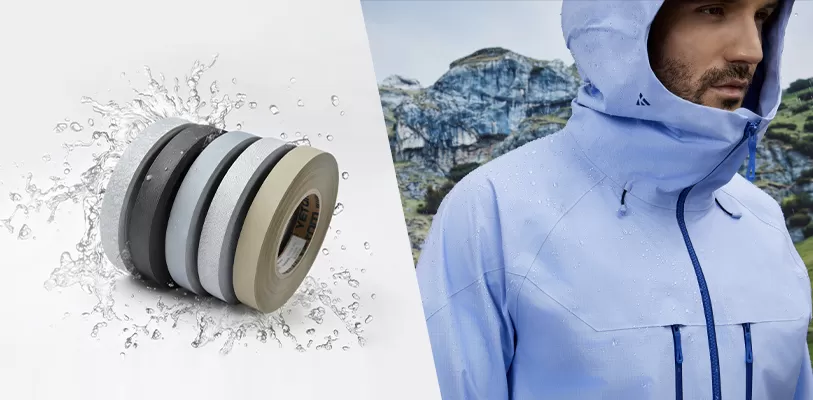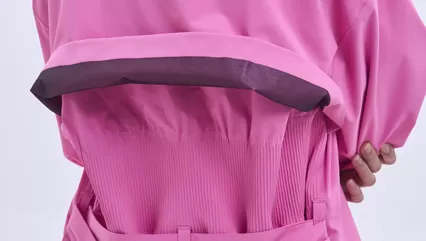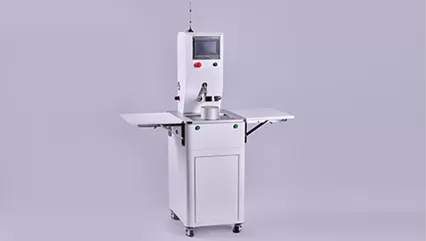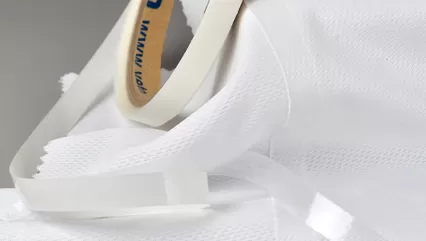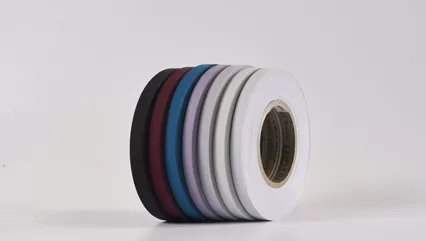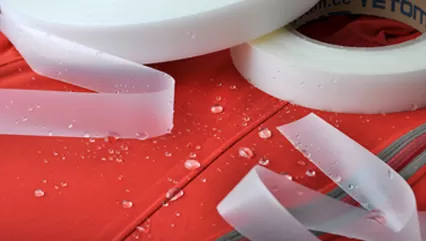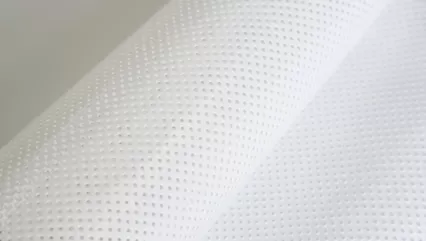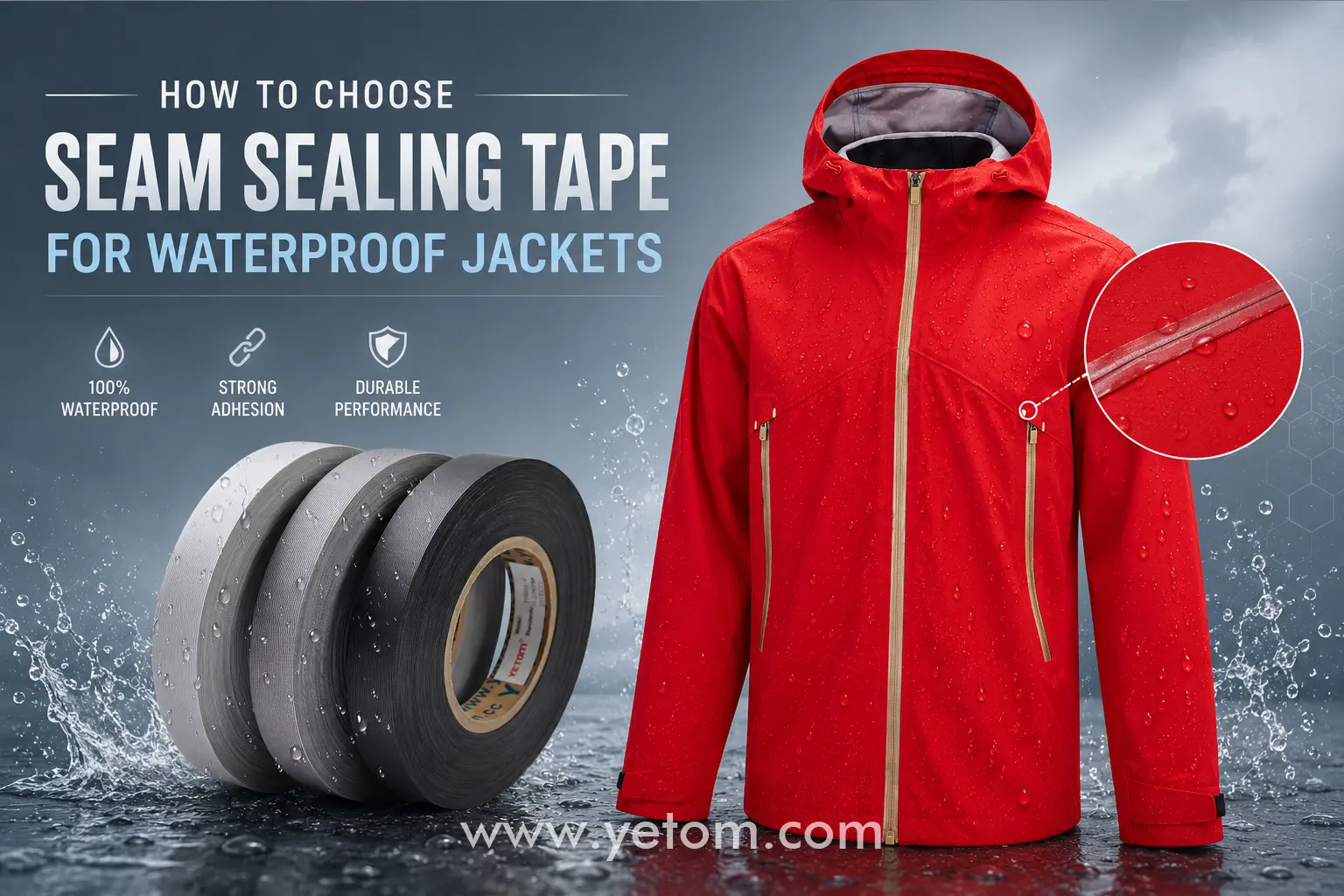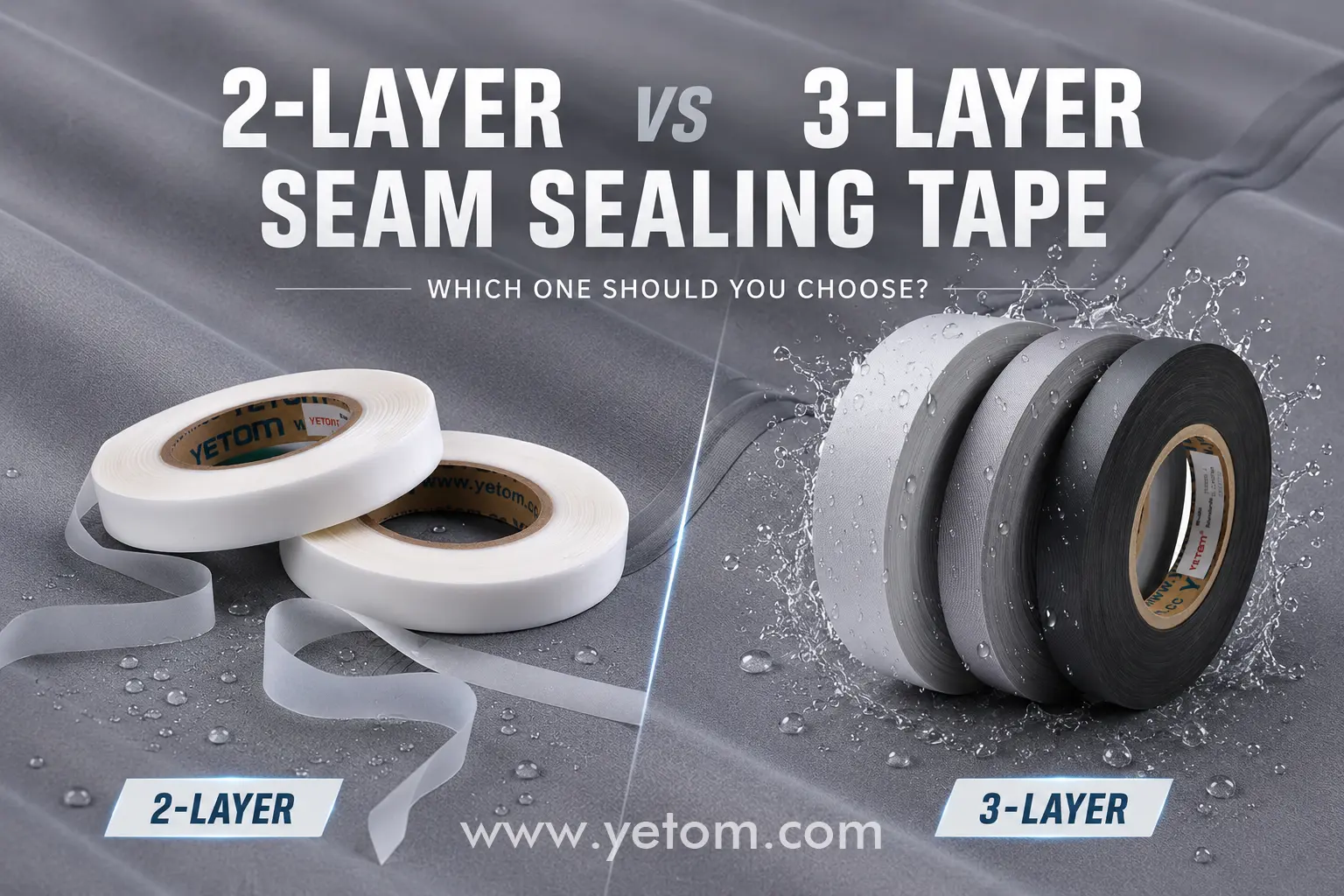
For most waterproof jackets, 2-layer seam sealing tape is suitable for lightweight rainwear, casual outdoor garments, coated fabrics, and cost-sensitive production. 3-layer seam sealing tape is the better choice for premium waterproof breathable jackets, 3-layer laminated fabrics, technical outerwear, protective clothing, and garments that require higher abrasion resistance, better hand feel, and long-term durability.
The decision should not be based only on price. The correct choice depends on the fabric construction, waterproof standard, garment use environment, washing requirement, tape width, seam structure, adhesive compatibility, and hot-air taping process. Choosing the wrong tape may lead to peeling, leakage, fabric damage, poor appearance, or failed waterproof testing.
What Is the Difference Between 2-Layer and 3-Layer Seam Sealing Tape?
In seam sealing tape, “2-layer” and “3-layer” refer to the structure of the tape itself, not always the structure of the garment fabric. This is a common misunderstanding in sourcing and production.
| Item | 2-Layer Seam Sealing Tape | 3-Layer Seam Sealing Tape |
|---|
| Basic Structure | Outer film layer + hot melt adhesive layer | Outer fabric/tricot layer + film layer + hot melt adhesive layer |
| Typical Appearance | Smooth, thin, sometimes transparent or matte | Textile-like surface, softer and more premium |
| Main Advantage | Lightweight, flexible, economical | Durable, comfortable, abrasion-resistant |
| Best For | Rainwear, 2-layer jackets, coated fabrics, basic waterproof products | 3-layer jackets, outdoor shells, ski wear, workwear, protective garments |
| Cost Level | Lower | Higher
|
| Durability | Good for standard waterproof applications | Better for frequent wear, washing, and friction
|
When Should You Choose 2-Layer Seam Sealing Tape?
2-layer seam sealing tape is commonly used when the garment requires reliable waterproofing but does not need a textile backing on the inner side. It is thinner, lighter, easier to apply, and usually more cost-effective than 3-layer tape.
Best Applications for 2-Layer Seam Tape
Lightweight waterproof jackets
Raincoats and ponchos
Basic outdoor apparel
PU-coated or PVC-coated fabrics
Waterproof bags and covers
Some sportswear and casual waterproof garments
Products where cost control is important
For many standard rainwear products, 2-layer tape already provides enough waterproof performance when the fabric, adhesive, and taping parameters are correctly matched.
Advantages of 2-Layer Seam Sealing Tape
Lower production cost: It is usually more economical, making it suitable for large-volume manufacturing.
Lightweight construction: The thinner structure helps reduce garment weight.
Good flexibility: It bends well with lightweight fabrics and simple seam structures.
Easy processing: It is generally easier to apply on standard hot-air seam sealing machines.
Suitable for many coated fabrics: It works well on common PU, PVC, and other waterproof coatings when properly selected.
Limitations of 2-Layer Seam Tape
Lower abrasion resistance than textile-backed tape
May feel less comfortable against the skin
Less premium appearance inside the garment
Not ideal for high-end 3-layer laminated outerwear
May not perform as well under repeated washing and heavy friction
When Should You Choose 3-Layer Seam Sealing Tape?
3-layer seam sealing tape is designed for higher-performance garments. It normally includes a textile or tricot backing layer, making the tape more durable, more comfortable, and visually better matched with 3-layer laminated fabrics.
Best Applications for 3-Layer Seam Tape
3-layer waterproof breathable jackets
High-end outdoor shells
Ski wear and snowboarding apparel
Mountaineering garments
Protective clothing
Military and tactical waterproof garments
Workwear exposed to friction, washing, and harsh conditions
For premium waterproof breathable garments, 3-layer tape is often preferred because it improves inner appearance, durability, and comfort. It also helps the seam area feel more consistent with the fabric body.
Advantages of 3-Layer Seam Sealing Tape
Better abrasion resistance: The textile backing protects the waterproof film and adhesive area from friction.
More comfortable hand feel: It feels softer and less plasticky inside the garment.
Premium appearance: The inner seam looks more professional, especially in technical jackets.
Better durability: It is more suitable for garments that require repeated washing or heavy outdoor use.
Good compatibility with 3-layer fabrics: It visually and functionally matches laminated outdoor textiles.
Limitations of 3-Layer Seam Tape
Higher material cost
Slightly heavier than 2-layer tape
May require more precise taping parameters
Not always necessary for simple rainwear or low-cost products
Wrong textile backing may affect stretch, color matching, or garment feel
2-Layer vs 3-Layer Seam Sealing Tape: Practical Selection Guide
| Production Requirement | Recommended Tape | Reason |
|---|
| Basic rain jacket | 2-layer tape | Cost-effective and waterproof enough for standard use |
| Premium outdoor shell | 3-layer tape | Better durability, comfort, and inner appearance |
| PU-coated fabric | 2-layer or compatible 3-layer tape | Depends on garment positioning and washing requirements |
| 3-layer laminated fabric | 3-layer tape | Matches fabric structure and improves long-term performance |
| Lightweight emergency rainwear | 2-layer tape | Low weight and lower cost are more important |
| Ski wear or workwear | 3-layer tape | Higher abrasion resistance and washing durability required |
| Garments worn directly over thin base layers | 3-layer tape | Softer touch and better comfort |
Is 3-Layer Seam Tape Always Better Than 2-Layer Tape?
No. 3-layer seam tape is not always the best choice. It is better for demanding applications, but it may be unnecessary for lightweight or cost-sensitive waterproof products.
For example, if a buyer is producing a simple rain poncho or a basic promotional rain jacket, using 3-layer tape may increase cost without creating meaningful added value for the end user. On the other hand, if the garment is a premium outdoor jacket designed for hiking, skiing, or professional use, 2-layer tape may reduce durability and make the product feel less refined.
The best tape is the one that matches the fabric, product positioning, performance standard, and production process.
How Fabric Type Affects Tape Selection
Seam tape must bond correctly to the fabric coating or membrane. Even a high-quality tape can fail if the adhesive is not compatible with the fabric surface.
For PU-Coated Fabrics
PU-coated fabrics are widely used in waterproof jackets, rainwear, and outdoor apparel. A PU-based seam sealing tape is often selected because it provides good bonding compatibility and flexibility. Both 2-layer and 3-layer options may be suitable depending on the garment level.
For TPU Laminated Fabrics
TPU materials are often used where elasticity, softness, and environmental performance are important. TPU seam sealing tape can provide strong bonding, good flexibility, and better resistance to low-temperature cracking compared with some traditional materials.
For PVC-Coated Fabrics
PVC-coated fabrics are commonly used in rainwear, industrial covers, bags, and protective products. PVC-compatible seam tape is important because adhesive mismatch can cause weak bonding or peeling after use.
For Waterproof Breathable Laminates
For high-performance outdoor jackets, especially 2.5-layer or 3-layer waterproof breathable fabrics, the inner surface, membrane type, and backer structure must be carefully evaluated. In many cases, 3-layer seam tape is preferred for better appearance and durability.
Key Factors Buyers Should Check Before Ordering Seam Tape
1. Waterproof Requirement
Different products require different waterproof levels. A casual rain jacket and a professional mountaineering shell should not use the same selection standard. Buyers should consider hydrostatic pressure requirements, end-use environment, and testing method.
2. Washing Durability
If the garment will be washed frequently, the tape must withstand repeated laundering without peeling, cracking, or losing adhesion. 3-layer tape usually performs better in long-term use, but adhesive formulation and taping process are equally important.
3. Tape Width
Common seam tape widths include 18 mm, 20 mm, 22 mm, and other customized sizes. Wider tape can cover complex seams more securely, but it may increase stiffness and cost. Narrower tape looks cleaner but requires more precise machine control.
4. Fabric Thickness and Seam Structure
Thicker seams, folded seams, curved areas, and multi-layer intersections require better heat transfer and pressure control. For complex seam structures, testing is necessary before mass production.
5. Hot-Air Taping Parameters
Temperature, speed, pressure, nozzle position, and roller hardness all affect bonding quality. Tape failure is not always a material problem. Many peeling issues come from incorrect taping settings.
6. Hand Feel and Appearance
For premium jackets, the inside appearance matters. 3-layer tape usually looks more refined because the textile backing visually matches the garment interior. For low-cost rainwear, 2-layer tape may be more practical.
7. Color Matching
Some applications require white, black, grey, transparent, or customized tape colors. Color matching is especially important for high-end outerwear and visible interior seams.
Cost Comparison: 2-Layer vs 3-Layer Seam Sealing Tape
2-layer seam tape is generally more economical because it uses fewer materials and has a simpler structure. 3-layer tape costs more because of the added textile backing and more complex construction.
However, the lowest tape price does not always mean the lowest total cost. If a cheaper tape causes peeling, failed waterproof tests, rework, returns, or customer complaints, the final cost can become much higher.
| Cost Factor | 2-Layer Tape | 3-Layer Tape |
|---|
| Material Cost | Lower | Higher |
| Processing Difficulty | Usually easier | Requires more accurate settings |
| Risk of Over-Specification | Low | Possible if used on basic products |
| Risk of Under-Specification | Possible for premium garments | Lower for demanding applications |
| Long-Term Value | Good for standard products | Better for high-performance products |
Common Mistakes When Choosing Seam Sealing Tape
Choosing Tape Only by Price
Price is important, especially for large-volume production, but it should not be the only factor. Adhesion strength, fabric compatibility, washing durability, and waterproof performance are more important for long-term product quality.
Using 2-Layer Tape on High-End 3-Layer Jackets
This may reduce the perceived quality of the garment and increase the risk of abrasion or peeling in demanding use. For premium outerwear, 3-layer tape is usually a safer choice.
Ignoring Fabric Coating Compatibility
A tape that works well on PU-coated fabric may not perform the same way on PVC-coated or TPU-laminated fabric. Always test the tape with the actual production fabric.
Not Testing After Washing
Initial bonding may look acceptable, but problems can appear after washing, flexing, or aging. Buyers should request testing based on the garment’s real use conditions.
Using Incorrect Machine Settings
Even the right tape can peel if the temperature is too low, speed is too fast, or pressure is insufficient. Proper taping machine adjustment is essential.
Which Seam Sealing Tape Should You Choose?
Choose 2-layer seam sealing tape if your product is lightweight, cost-sensitive, and used for standard waterproof protection. It is suitable for many rain jackets, ponchos, waterproof covers, and basic outdoor garments.
Choose 3-layer seam sealing tape if your product needs higher durability, better comfort, improved inner appearance, and stronger resistance to abrasion and washing. It is the preferred option for premium waterproof jackets, 3-layer laminates, ski wear, protective clothing, and technical outerwear.
For buyers, garment factories, and outdoor apparel brands, the safest approach is to test several tape options on the actual fabric before confirming bulk production. A professional seam sealing tape supplier can recommend the correct tape structure, adhesive type, width, color, and taping parameters based on the fabric and end-use requirement.
FAQ: 2-Layer and 3-Layer Seam Sealing Tape
Can 2-layer seam tape be used on 3-layer fabric?
In some cases, yes, but it is usually not the preferred choice for premium 3-layer waterproof breathable garments. 3-layer seam tape normally provides better durability, appearance, and comfort on 3-layer laminated fabrics.
Is 3-layer seam tape more waterproof than 2-layer tape?
Not always. Waterproof performance depends on adhesive bonding, fabric compatibility, tape width, seam structure, and taping parameters. 3-layer tape is usually more durable, but both types can achieve good waterproof results when properly selected and applied.
Why does seam sealing tape peel off after production?
Common reasons include wrong adhesive type, incompatible fabric coating, low taping temperature, insufficient pressure, fast machine speed, contaminated fabric surface, or poor washing resistance. Material selection and machine settings should be checked together.
What tape width is best for waterproof jackets?
Many waterproof jackets use seam tape widths around 18 mm to 22 mm, but the best width depends on seam allowance, fabric thickness, garment design, and waterproof testing requirements.
Should I choose PU, TPU, or PVC seam sealing tape?
The choice depends on the fabric coating and product application. PU tape is widely used for waterproof apparel, TPU tape is valued for flexibility and environmental performance, and PVC tape is often used for PVC-coated materials and industrial waterproof products.
Do I need sample testing before bulk order?
Yes. Sample testing is strongly recommended because fabric coating, seam construction, machine parameters, and washing conditions can all affect final performance. Testing reduces the risk of peeling, leakage, and production loss.
Final Recommendation
For standard waterproof garments, 2-layer seam sealing tape offers a practical balance of cost, flexibility, and waterproof performance. For technical outerwear and demanding applications, 3-layer seam sealing tape provides better long-term value through improved durability, comfort, and appearance.
If you are selecting seam sealing tape for a new waterproof jacket, protective garment, sportswear line, or outdoor apparel project, prepare the fabric specification, coating type, seam design, washing requirement, and target waterproof standard before requesting samples. This allows the supplier to recommend a tape that fits both performance and production needs.
 中文
中文 English
 français
 Deutsch
 tiếng việt
 Indonesia
 বাঙালি